Time spent learning from Aboriginal knowledge holders has quietly changed the way we think about the outdoors. The lessons are not about technique in the way outdoor writing usually frames it. They are about attention — the kind that takes decades to develop, and generations to pass on.
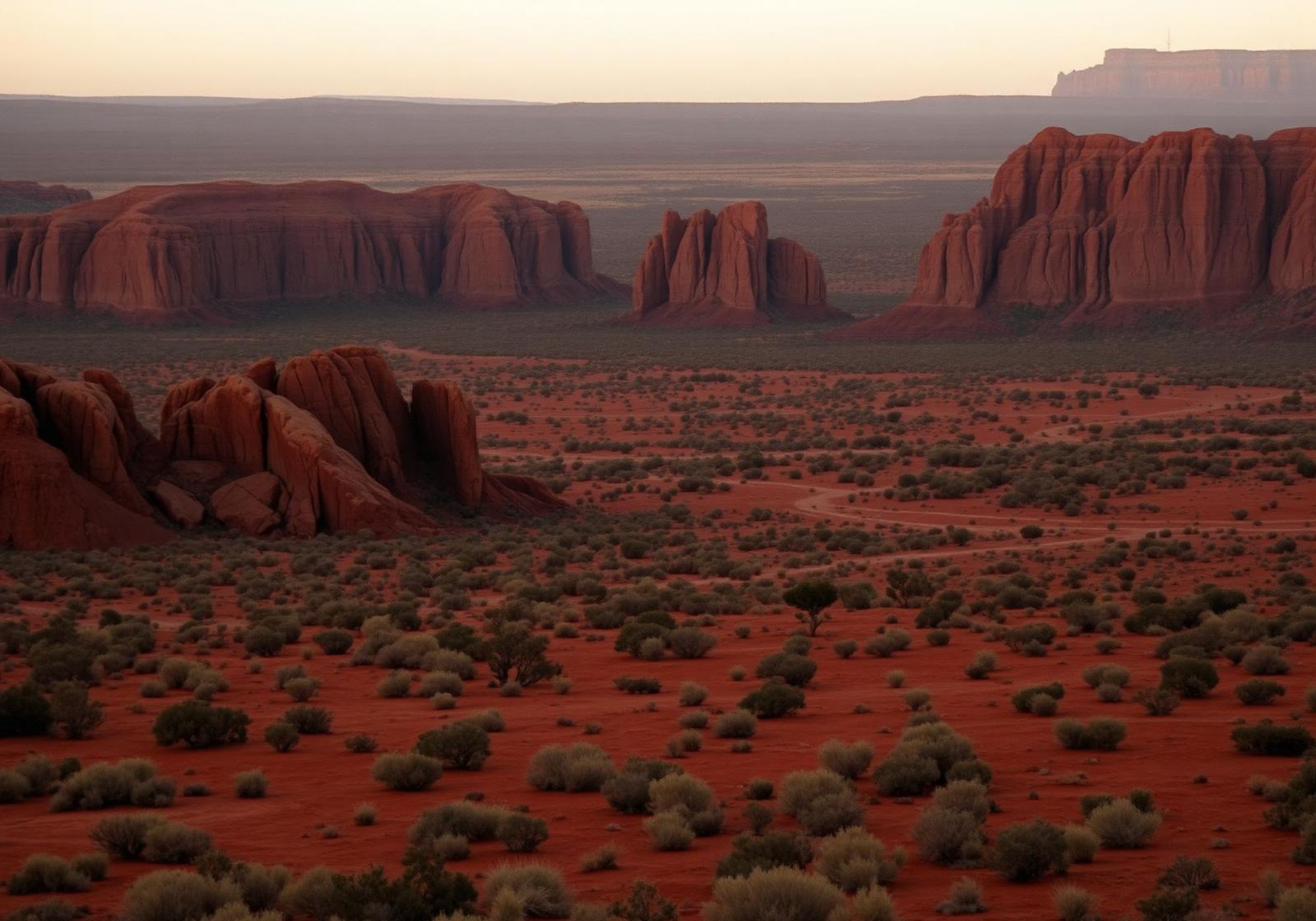
The most consistent teaching is that Country is not a resource. It is a relationship. You do not arrive at a place and take from it. You listen first, understand where you are, and move in a way that keeps the place intact for the next person, and the next generation.
Reading nature is a skill. Wind direction on a ridge. The colour of water at a river bend. The way a bird calls when weather is changing. None of it is written down where we walk. All of it is available to anyone patient enough to notice.
Learning from Aboriginal knowledge holders reframes what preparation actually means. It is not the length of your gear list. It is the depth of your understanding of the landscape you are about to enter. Equipment protects you from mistakes. Knowledge helps you avoid making them.
At TECTON we design equipment for people moving through Country that has been cared for by others for tens of thousands of years. That context matters. It shapes what we build, and — just as importantly — what we choose not to build.
We share this not to claim knowledge that is not ours, but to acknowledge where a great deal of what we value in the outdoors actually comes from. Respect for Country. Respect for the people who have always been custodians of it. And the discipline of learning quietly, from those who know it best.